
Methods for Preserving Farm Fresh Eggs for Winter
Whether you’re gathering baskets of eggs daily during peak laying season or just want to make the most of your farmer’s market haul, this post will walk you through time-tested methods for preserving farm fresh eggs for winter. Here we’re covering the safest, most effective ways to enjoy your eggs—long after your hens take their winter break.
Which laying hen breeds are best for colder climates?
In Minnesota we get pretty cold temperatures in the winter months, often as low as negative 20 degrees Fahrenheit. It is important that laying hens in colder climates have smaller combs and larger bodies.
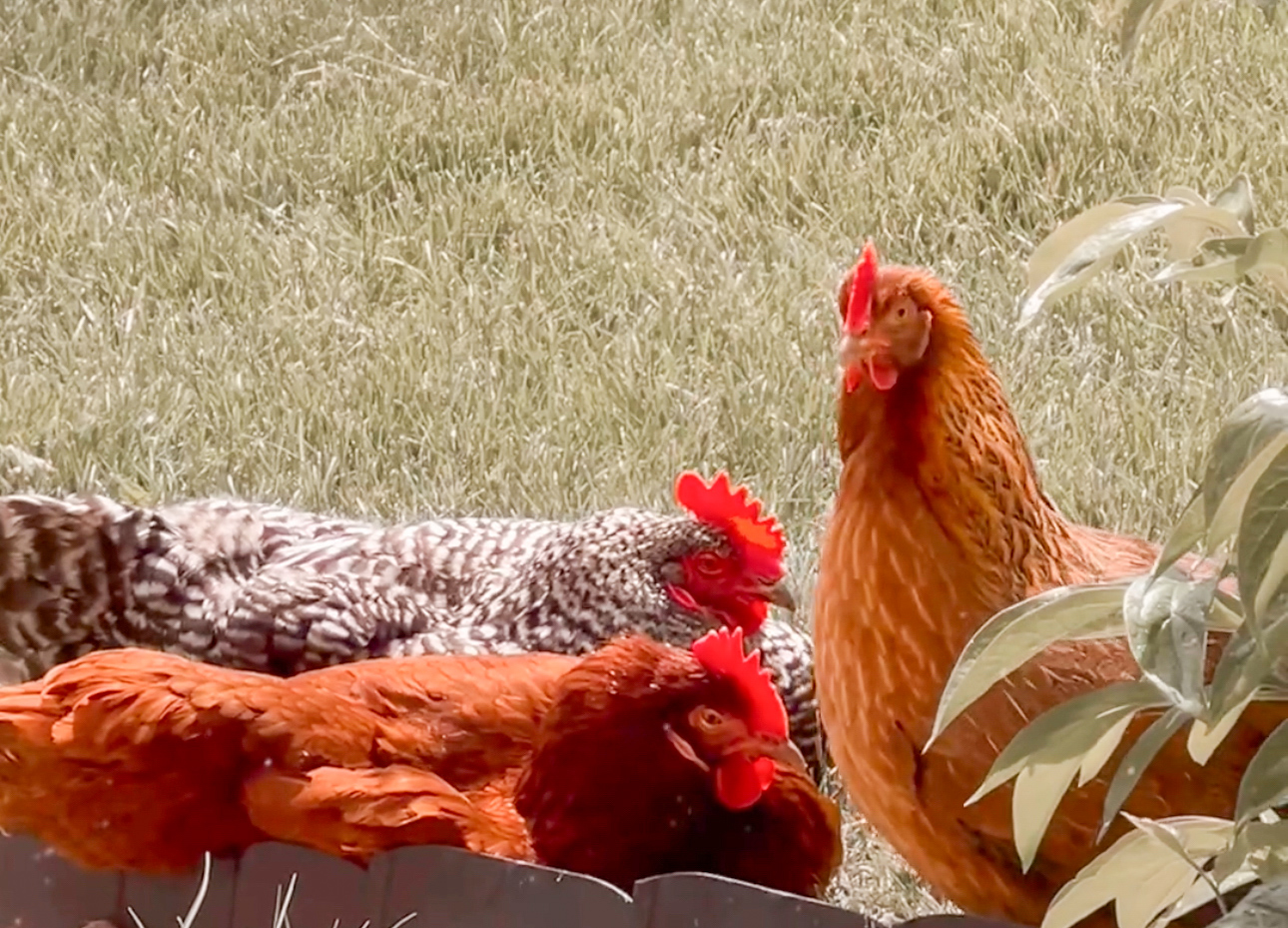
For our flock we have a variety of Wyandotte, Rhode Island Red, Barred Rock, and Easter Eggers (for the pretty blue and green eggs). For our chicken coop, we do have a lovely coop built by my husband that is protected from wind and is sealed fairly tight to keep the temps warmer in the cool winter months. In addition, there is a window that lets in a lot of sunlight for the ladies (and rooster).
Why do hens quit laying during the winter months?
There are a few factors that determine if or when a hen will quit laying eggs for the year or for the winter.
Daylight – Hens typically require 12-16 hours of daylight to lay. Fall and winter moths have much shorter daylight hours, therefore causing hens to slow down their laying or quit laying completely.
Colder Temperatures – When the temperature gets too cold, the hens will use more energy to try and stay warm. This will result in a slow down of egg production or a stop in production completely (until temperatures increase again).
Molting – In the fall, hens will shed their feathers and new feathers will grow. This is called molting, which also requires a lot of energy. With more energy going to feather production less energy will be available for egg laying.
Can you keep your hens laying during the winter?
We choose to give our laying hens a break in the winter months, allowing them to follow their natural laying cycle. However, there are things that can be done to keep hens laying all year round.
Adding a red heat lamp is a great option because it provides warmth and extra light to the hens. Just be sure any method used isn’t causing more stress to the hens.
Many homesteader find, however, that there is such an overabundance of eggs in the warmer months that it is best to preserve some of these eggs and let the chickens (or other egg layers) have a break in the winter.
Methods for Preserving Farm Fresh Eggs for Winter
There are a variety of ways to stock up and keep farm-fresh eggs for the winter months. The most common methods for preserving farm fresh eggs for winter are freezing, freeze drying, and water glassing. I recommend trying them all, and deciding which method for preserving excess eggs works best for your needs.
Freezing Eggs
Freezing eggs is the easiest option, in my opinion, and a good way to keep eggs for winter use. The downfall, however, is you need freezer space.
We have a few freezers, and water bath or pressure can most of our food (other than the beef we buy), so luckily we do have the freezer space for storing eggs. This method allows for freezing whole eggs, or separating the yolk and egg white prior to freezing.
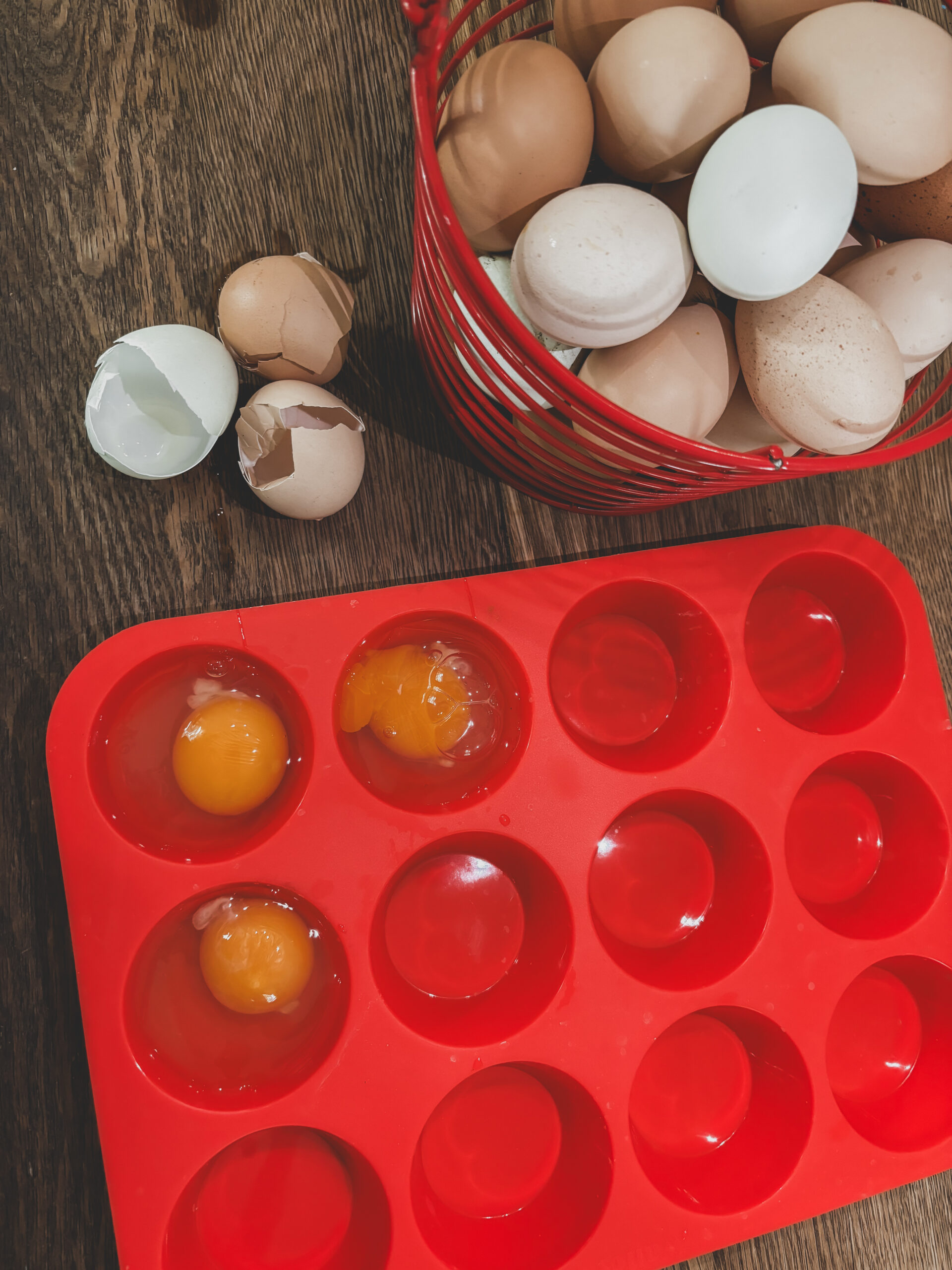
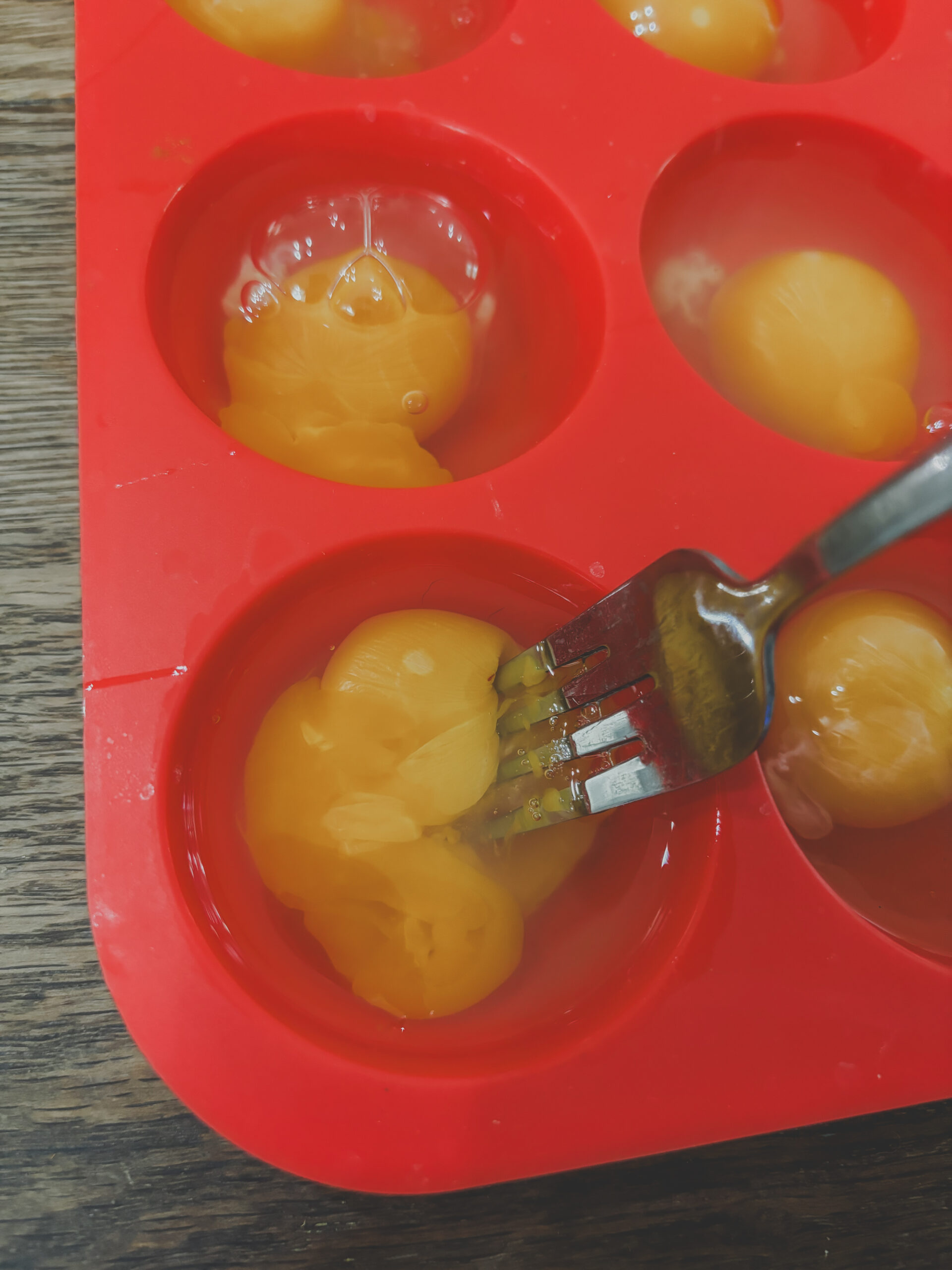
To freeze eggs simply crack an egg into each compartment of a muffin sheet. Next, add a pinch of salt to each egg and gently stir. Finally, place the muffin sheet in the freezer until frozen.
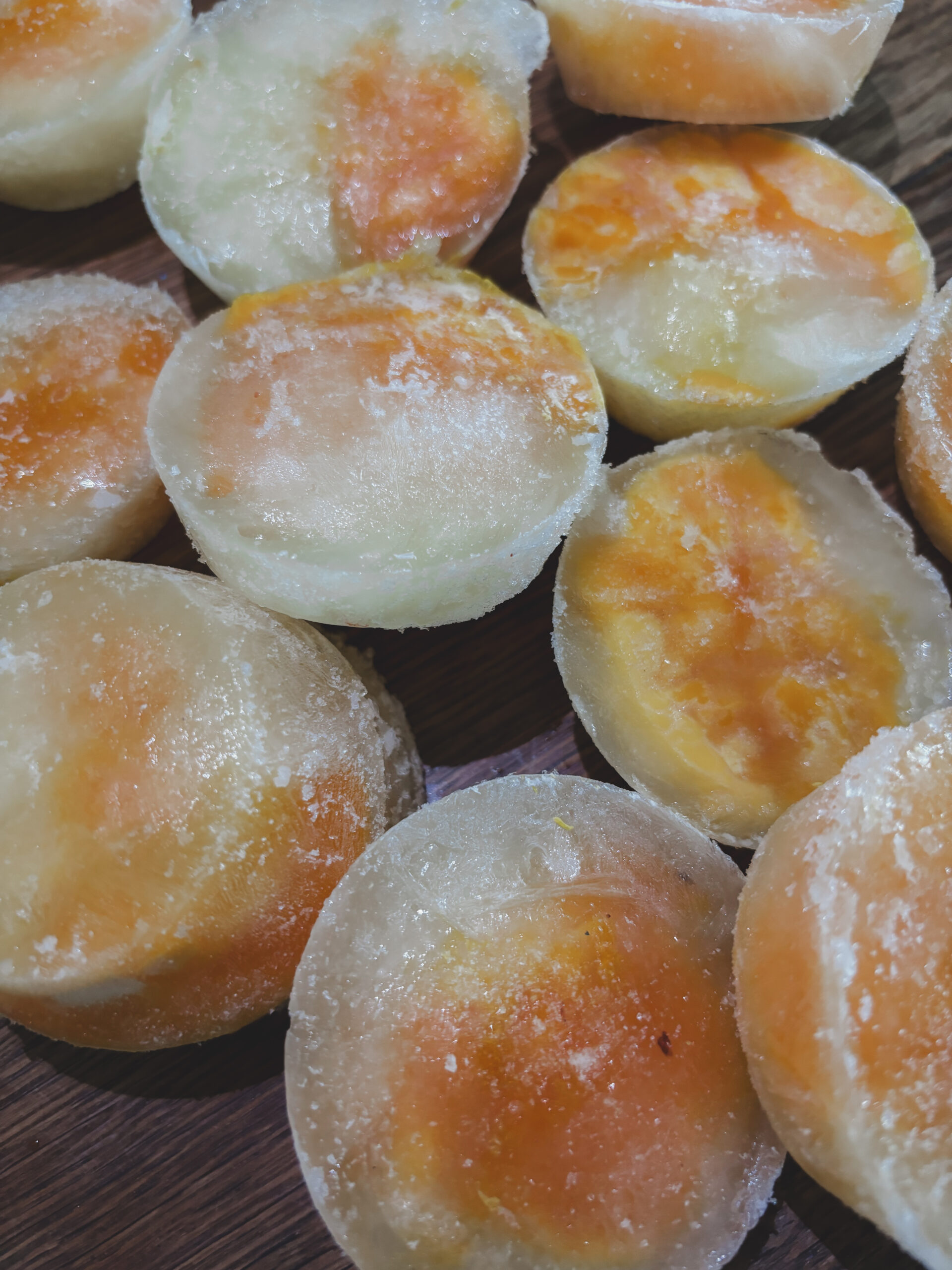
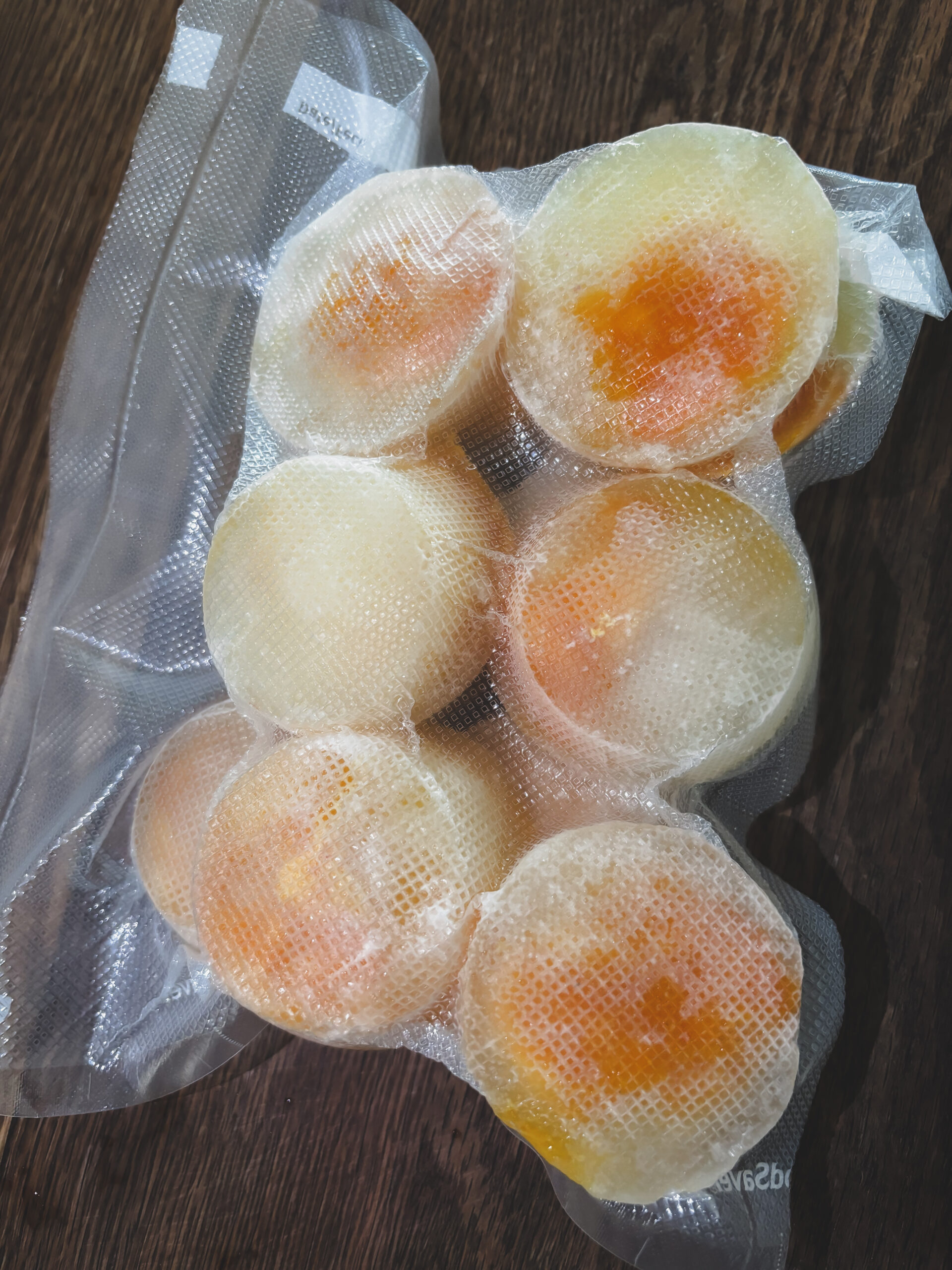
Once frozen, pop out the frozen eggs and vacuum seal with a food saver or store in a freezer-safe container. Store in the freezer.
**Note – I highly recommend a silicone muffin sheet like THESE. Silicone makes popping the frozen egg out much easier than a traditional muffin tin.
Be sure to place the silicone muffin sheet on a cookie sheet prior to cracking the eggs. This allows for an easy transfer of the eggs to the freezer.
Frozen eggs are perfect for baking – try out my super simple Sourdough Pancake Recipe here!
Freeze Drying Eggs
This option is great for long term storage, especially if freezer space is a problem. However, a freeze dryer is an investment.
Freeze-dried eggs can be stored in glass jars for shorter term storage, or Mylar bags for up to 20 years. This method turns the eggs into an egg powder for food storage.
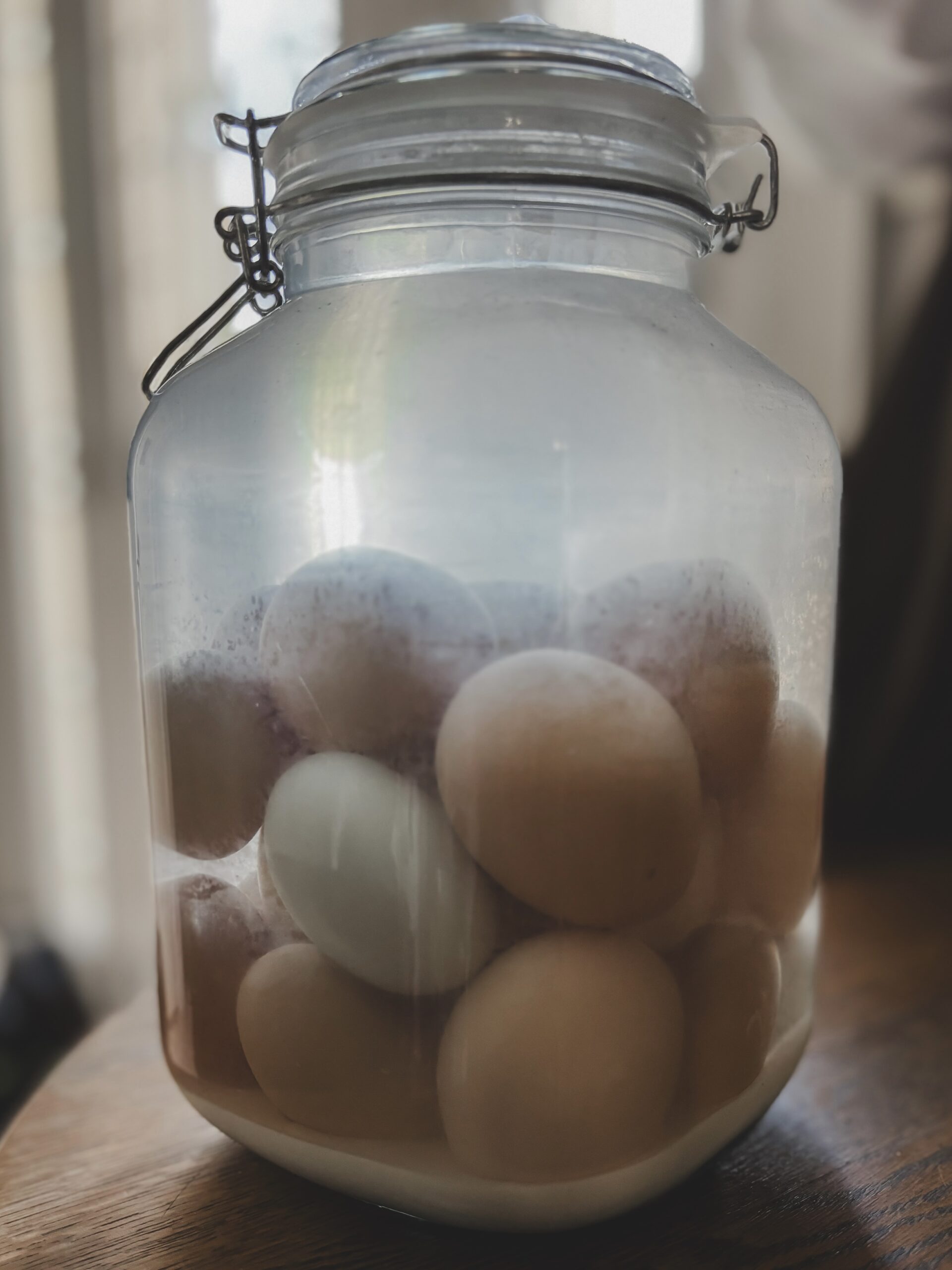
Water Glassing Eggs
This method is an alternative method for preserving eggs, allowing eggs to stay good in a cool dark place for up to a year! This method allows the egg to keep the same texture, where freezing and freeze drying change the egg texture.
In addition, the flavor of the eggs should remain unchanged. The important thing is, the egg must still have its protective layer intact, or its bloom. Therefore, it is important that the cleanest eggs (farm fresh eggs) are used, without poo or other interfering with the eggs natural protective coating.
Ingredients
- 1 ounce Pickling Lime
- 1 quart Water (distilled water is ok but filtered is best)
- 16 Fresh Eggs per Half Gallon Jar (unwashed, but clean, with cuticle or “bloom” still intact)
Equipment
- Half Gallon Glass Jar (with airtight lid) or another food safety grade airtight container
Instructions
- Using a kitchen scale, measure 1 ounce of pickling lime.
- Add the pickling lime to a sanitized half gallon jar.
- Add 1 quart of filtered water to the jar with pickling lime (about half full).
- Mix the water and pickling lime solution until thoroughly.
- Gently add the eggs, pointy side down, one at a time.
- Once the jar is full, carefully add the airtight lid.
- Store in a dark, cool place.
- Note – it is very important that the water-glassed eggs do not crack or break while adding them to the jar. One ”bad egg” and the whole jar will be no good.
- Note – if the picking lime settles to the bottom or the jar, that is ok! Resist the urge to shake it as that will risk cracking or breaking an egg, spoiling the whole jar.
- Note – the pickling lime seals off the egg, filling all of the eggshell pores. It is important that water glassed eggs are not made into hard-boiled eggs unless a small hole is made into the shell first. Without a pinhole to release the pressure, the egg may explode.
Storing Farm Fresh Eggs
In general, fresh farm eggs can be kept on the counter at room temperature. However, it is important that these eggs are unwashed eggs with the cuticles or “bloom” in tact.
This does not work for store-bought eggs, as these eggs have been washed. Storing farm fresh eggs in the refrigerator will extend the shelf life of the eggs even longer.
How do I know if my eggs are still good?
Before taking the time to implement methods for preserving farm fresh eggs for winter, it is important to be sure the eggs to be preserved are still good. Or even simply before cracking an egg for breakfast.
The easiest way to check if an egg is still good is by conducting a float test. To do this, simply fill a large bowl with cold water and gently add the egg. If the egg sinks it is good, if it floats it is no good and shouldn’t be consumed.
Another indicator of a bad egg is an unpleasant odor.
FAQ
No, they need to be farm fresh and clean, but unwashed. Store bought eggs are washed.
Freezing eggs is the cheapest method, with minimal materials or equipment needed.
Pin this post for later here!
Water Glassing Eggs (how-to)
Ingredients
- 1 ounce Pickling Lime
- 1 quart Water distilled water is ok but filtered is best
- 16 Fresh Eggs per Half Gallon Jar unwashed, but clean, with cuticle or “bloom” still intact
Instructions
- Using a kitchen scale, measure 1 ounce of pickling lime.
- Add the pickling lime to a sanitized half gallon jar.
- Add 1 quart of filtered water to the jar with pickling lime (about half full).
- Mix the water and pickling lime solution until thoroughly.
- Gently add the eggs, pointy side down, one at a time.
- Once the jar is full, carefully add the airtight lid.
- Store in a dark, cool place.
Notes
Nutrition





This is super informative! Thanks for sharing
Going from an overabundance in the spring /summer to almost nonexsistance when the days start getting shorter is a struggle. And no one wants to have to buy eggs when you have a henhouse full! These are great ideas for how to extend the life of all those extra eggs!