
How to Render Beef Suet to Make Tallow (step-by-step)
Beef suet of a grass-fed cow is really such an incredible and underrated product. How to render beef suet to make tallow (step-by-step) walks through the super simple process of rendering your very own tallow! Once it has been rendered into tallow, it is an extremely versatile product as well.
Our family uses rendered beef suet for multiple purposes. It is one of the best options for cooking and frying, rather than using seed oils or vegetable oils.
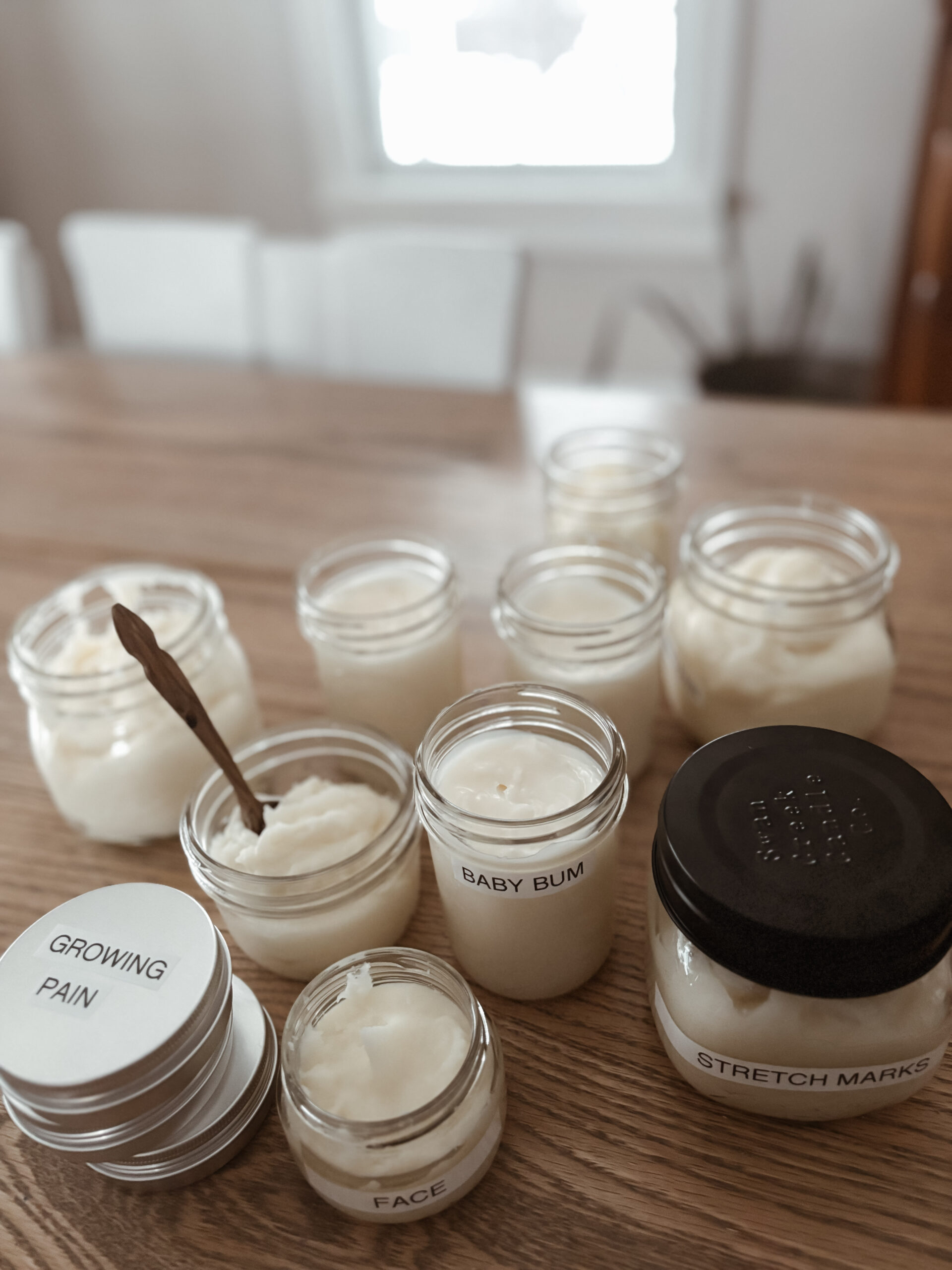
It is also a phenomenal skin care product! We love to use the tallow for homemade diaper cream, homemade face lotion, and a special homemade growing pain cream for the children.
Beef suet can be rendered into tallow and stored for later use and projects. It is such a simple process, however, I often like to use the rendered tallow to tackle the tallow balms, creams, and ointments all at once.
In addition, I always keep some in the refrigerator for cooking!
What is Beef Suet
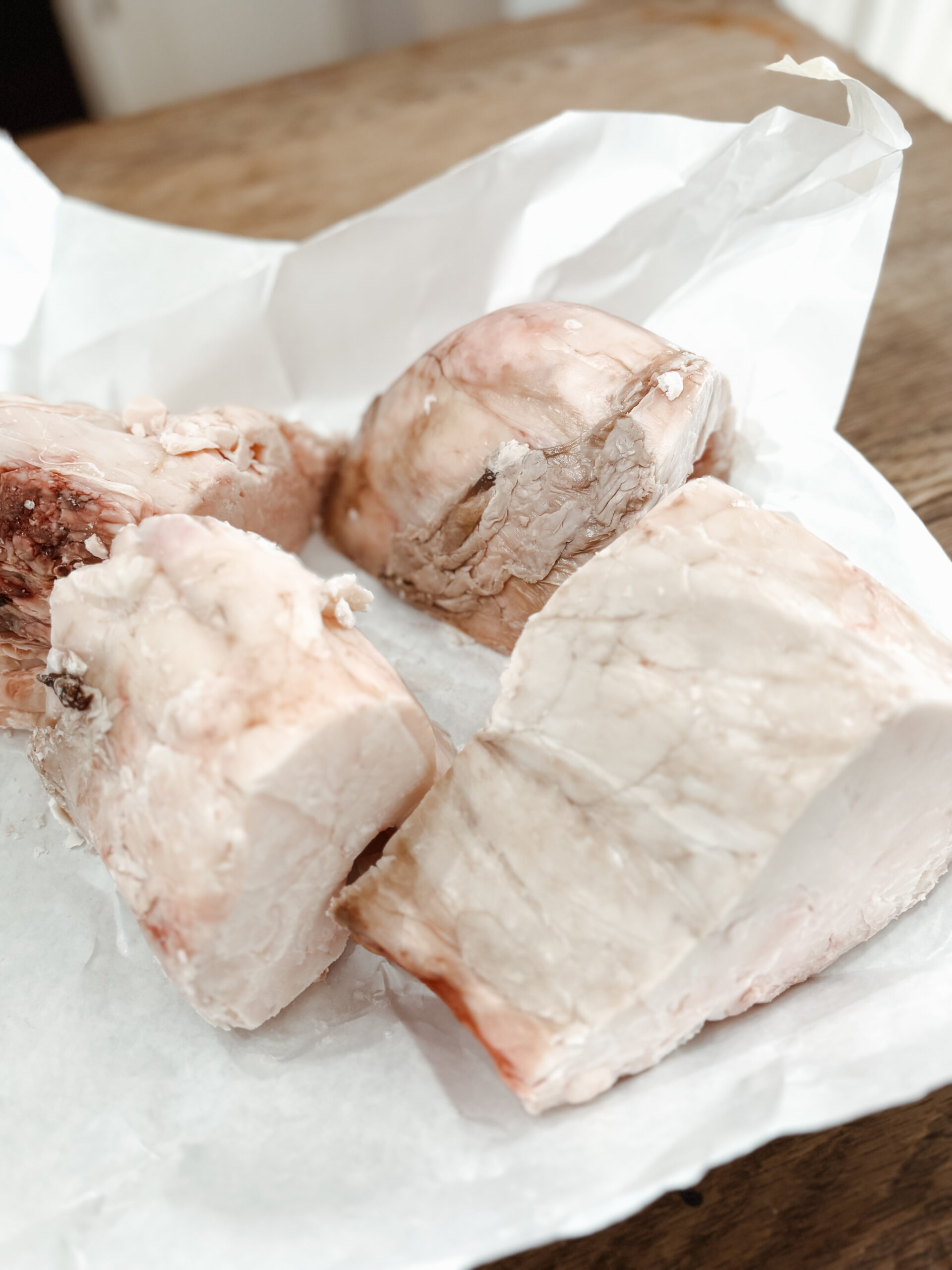
Beef suet is the hard, white, crumbly fat from a cow. Essentially, it is a large chunk of solid fat found around the kidneys or the loins. The fat from the kidneys produces a milder taste (without the beefy smell) and is the best moisturizing fat.
So in summary, the fat from the kidneys (also referred to as leaf fat) is preferred for tallow, cooking and skincare or beauty products. In addition, beef suet is ideal for frying and deep frying due to its high smoke point.
Where to Find Beef Suet
The best place to find quality beef suet is a local farmer. I am super fortunate that my father in law raises grass fed beef cattle right on our property.
Another option would be most local butchers, butcher shop / local meat markets or locker plants. These places will sell animals fats at a super reasonable price, as they aren’t in as high of demand as they once were.
Pasture raised, grass fed suet is always the best option.
Beef Tallow Benefits
First of all, it is anti-inflammatory so may help with conditions such as asthma or arthritis. Tallow supports gut health and a healthy microbiome because it contains butyric acid.
In addition, tallow contains choline which has been proven to help regulate mood, muscle control, and memory. It contains fat-soluble vitamins (A, D, E, and K) which all support the immune system and bone health.
When it comes to skin health, tallow’s vitamins can help produce collagen as well as smooth and heal a variety of skin issues (eczema, dryness, and acne). What a magical product!
Different Uses for Beef Tallow
As mentioned above, beef tallow is such a phenomenal product! There are a variety of uses and benefits, including:
- Cooking and Frying – use it in the cast iron prior to cooking up a meal, or use it in the deep fryer for homemade French fries!
- Baking – tallow can generally be used as a great alternative to seed oils, simply melt the tallow to liquid form and substitute at a 1:1 ratio. Recipes that call for butter or shortening are also great recipes to try tallow instead.
- DIY Projects – make homemade suet cakes or tallow candles for a fun activity that ensures no tallow goes to waste!
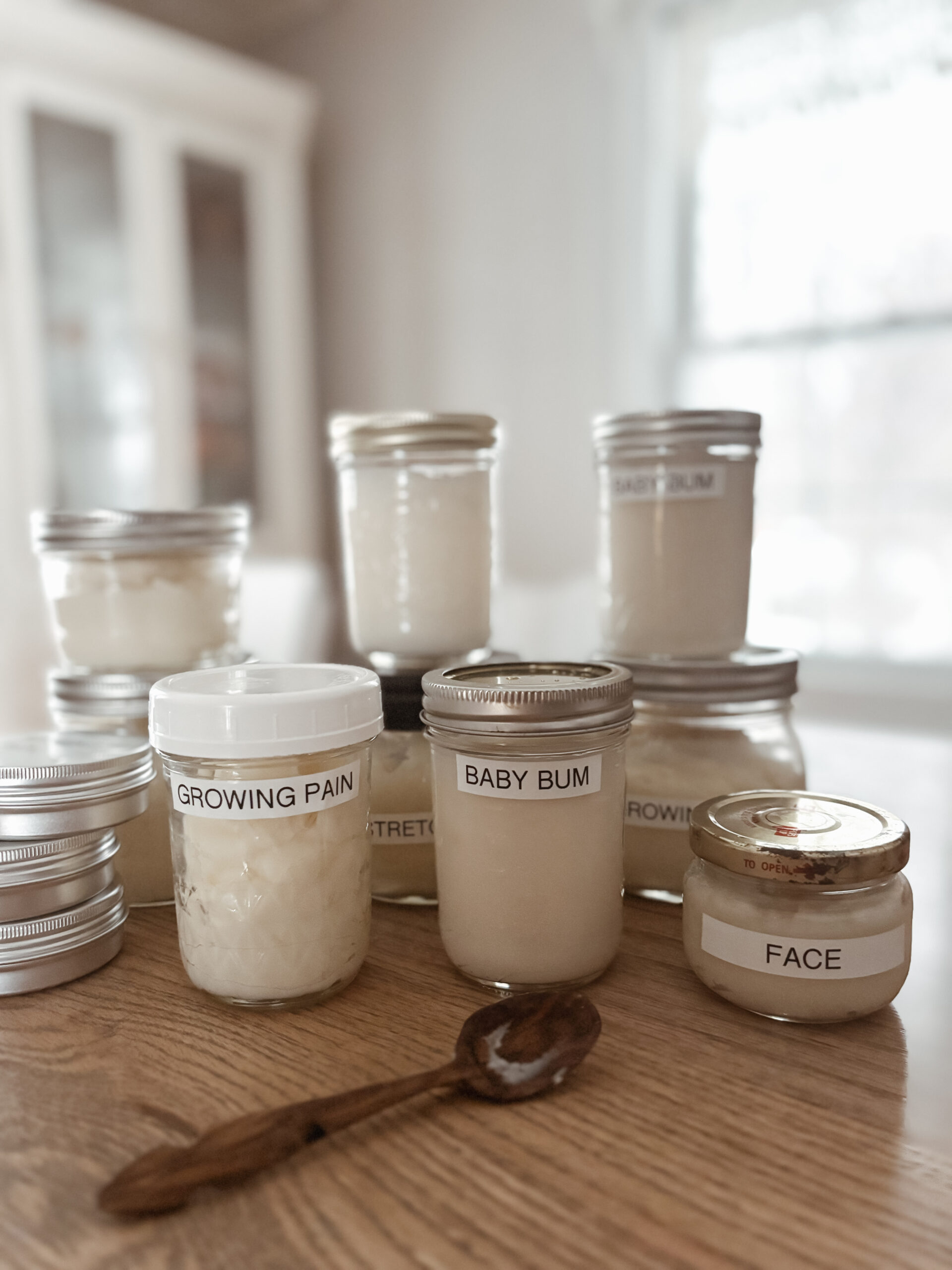
- DIY Nontoxic Beauty and Skincare – some of our household favorites are lip balm, baby bum balm, growing pain whipped body cream, stretch mark lotion, face cream. My children (and myself) have more sensitive skin, so homemade tallow concoctions with essential oils (and a couple other ingredients such as beeswax, olive oil, or coconut oil) are our absolute favorite.
Note – homemade tallow balm beauty and skincare products make perfect gifts! Check out my step-by-step guide for homemade candles here.
Materials
- Beef Suet (in any increment)
- A large pot (or crock pot)
- Colander
- Cheesecloth
- Large Bowl
- Wide Mouth Mason Jars
How to Render Beef Suet to Make Tallow (step-by-step)
Prepare the Suet
First, if the beef suet is stored frozen, be sure the beef suet is thawed completely in the refrigerator. Next, cut the suet into small pieces (about 1/2 inch) or use a food processor or meat grinder to grind down the fat pieces.
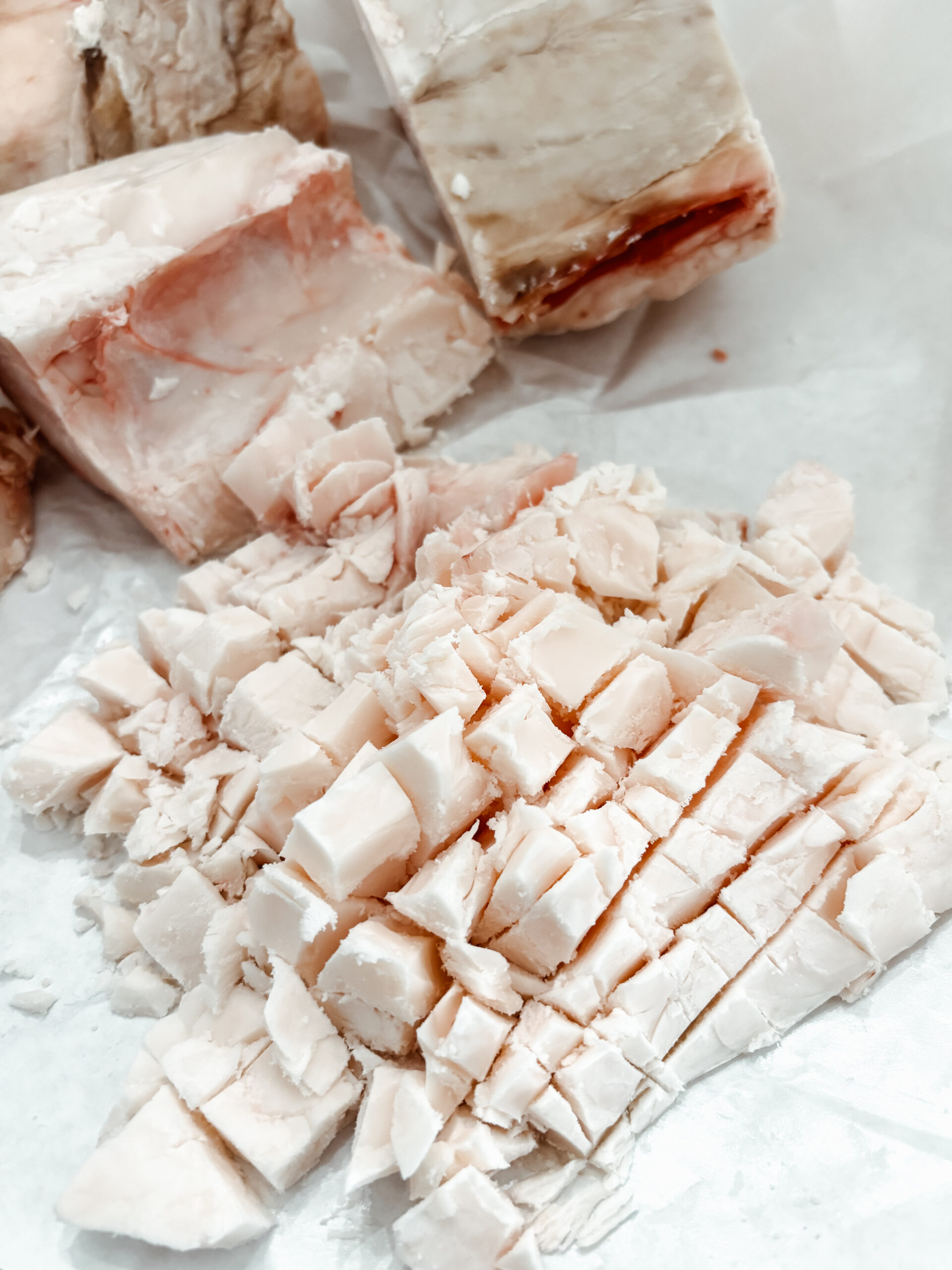
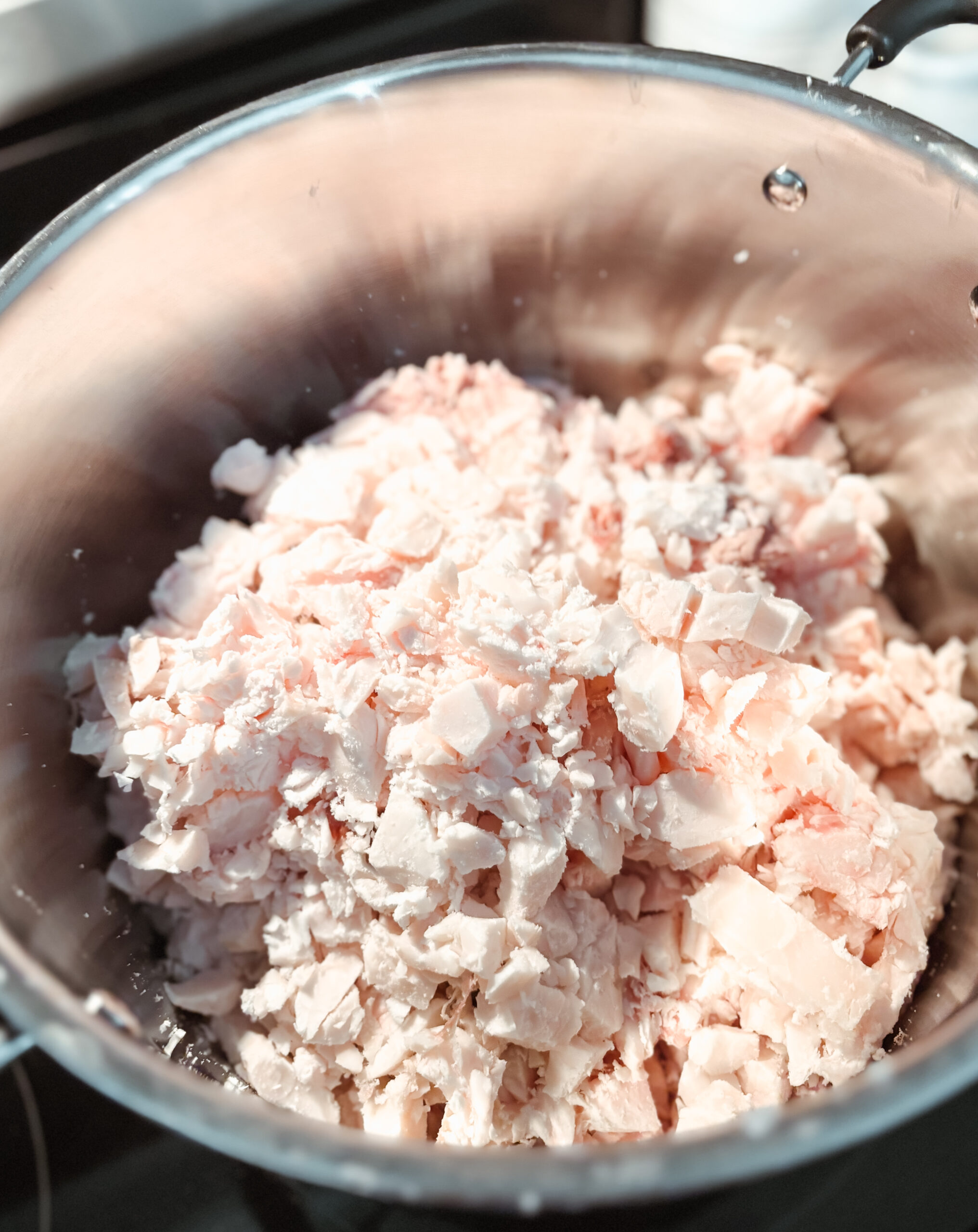
Once the suet is cut down into small pieces, place it in a large pot on the stove top.
Slowly heat the suet pieces on low or medium/low. A very low heat is all that is necessary to melt the liquid fat, too high of heat will scorch the tallow to the bottom of the pot. (1-2 hours depending on the amount of suet)
This can also be done in a slow cooker or crockpot on the low setting.
Strain the Product
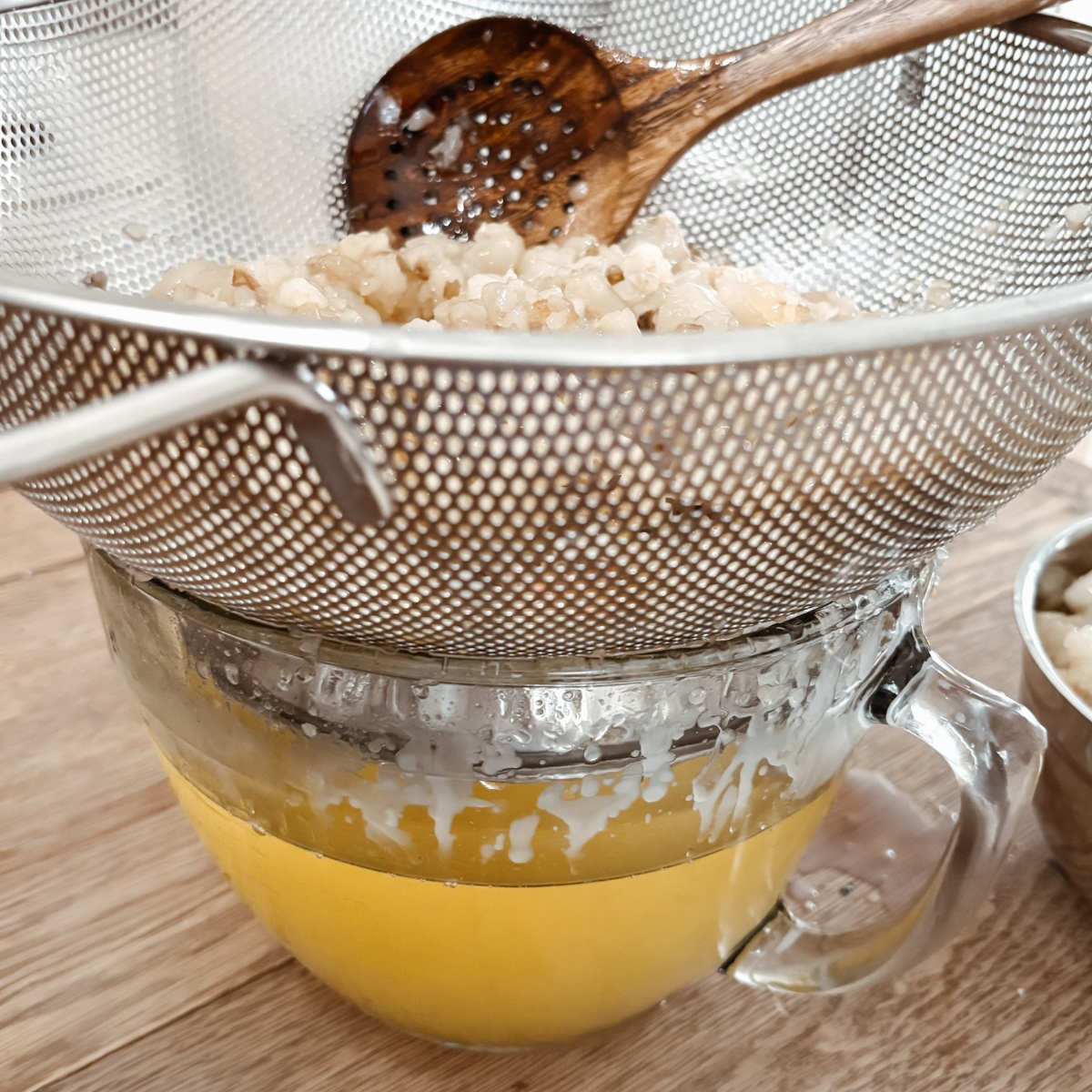
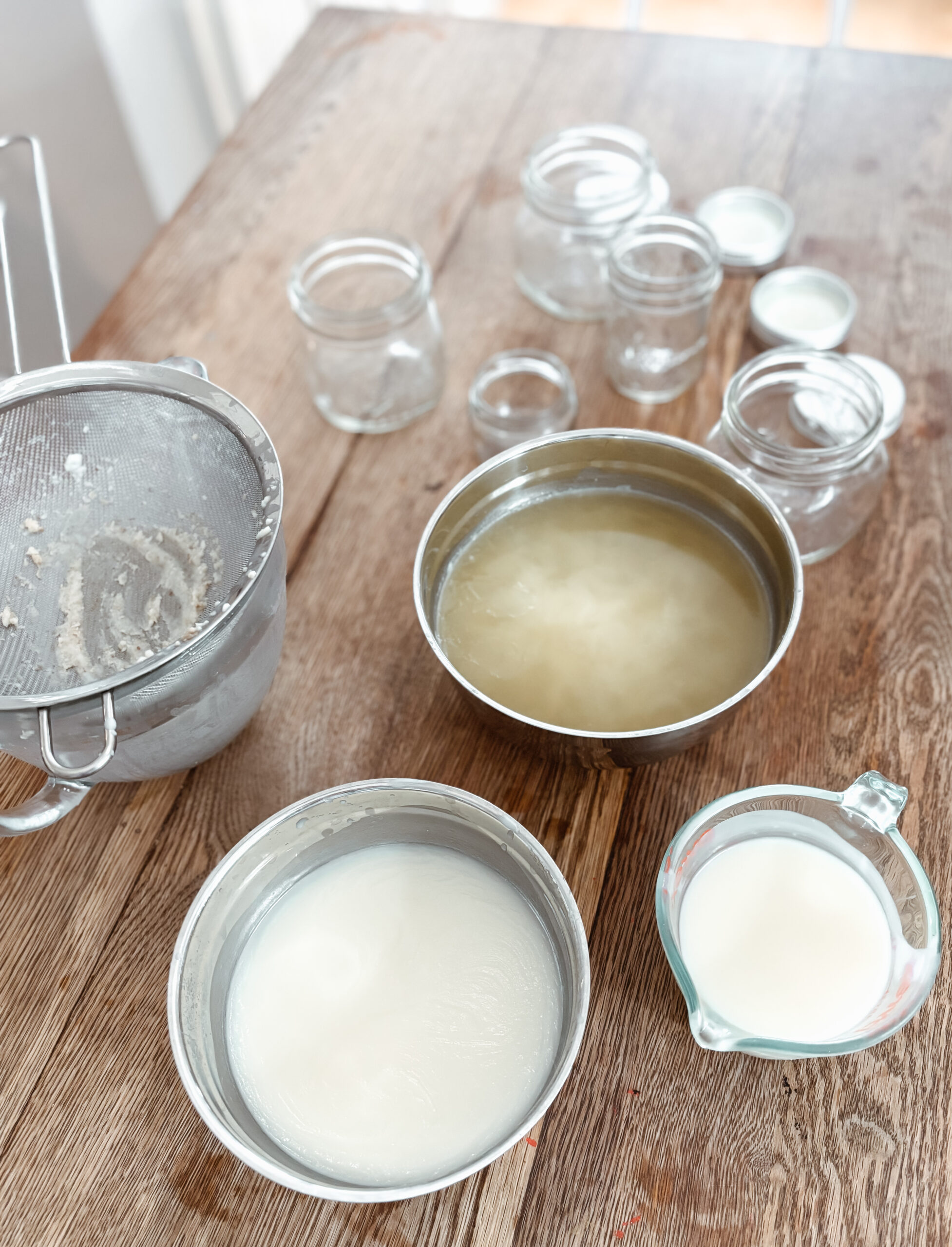
Once the beef suet has been cooked down there will be browned bits of meat that rise to the top of the liquid fat. Using a fine mesh strainer, colander, or cheese cloth over a large bowl, slowly and carefully pour the melted components into the straining mechanism.
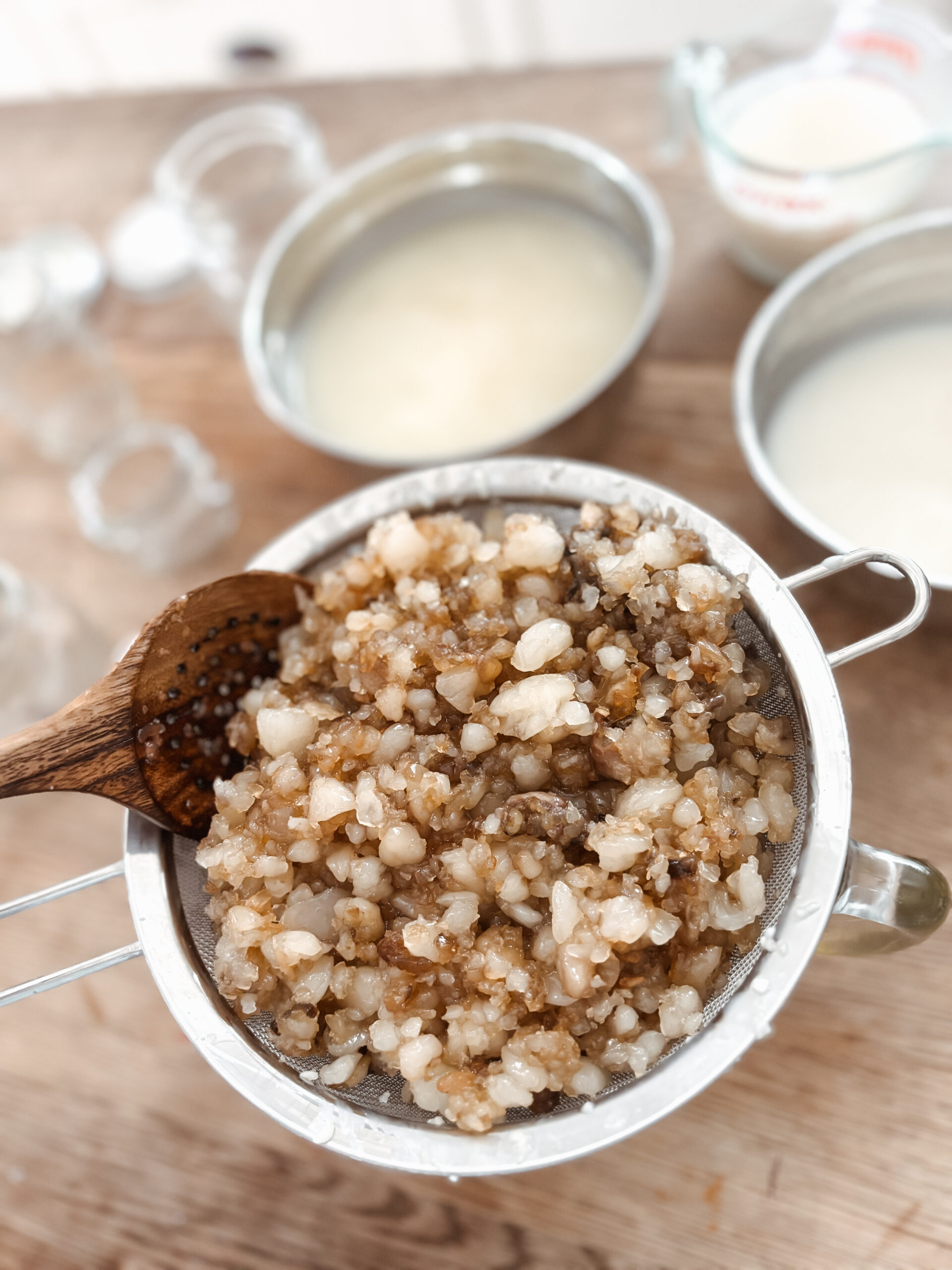
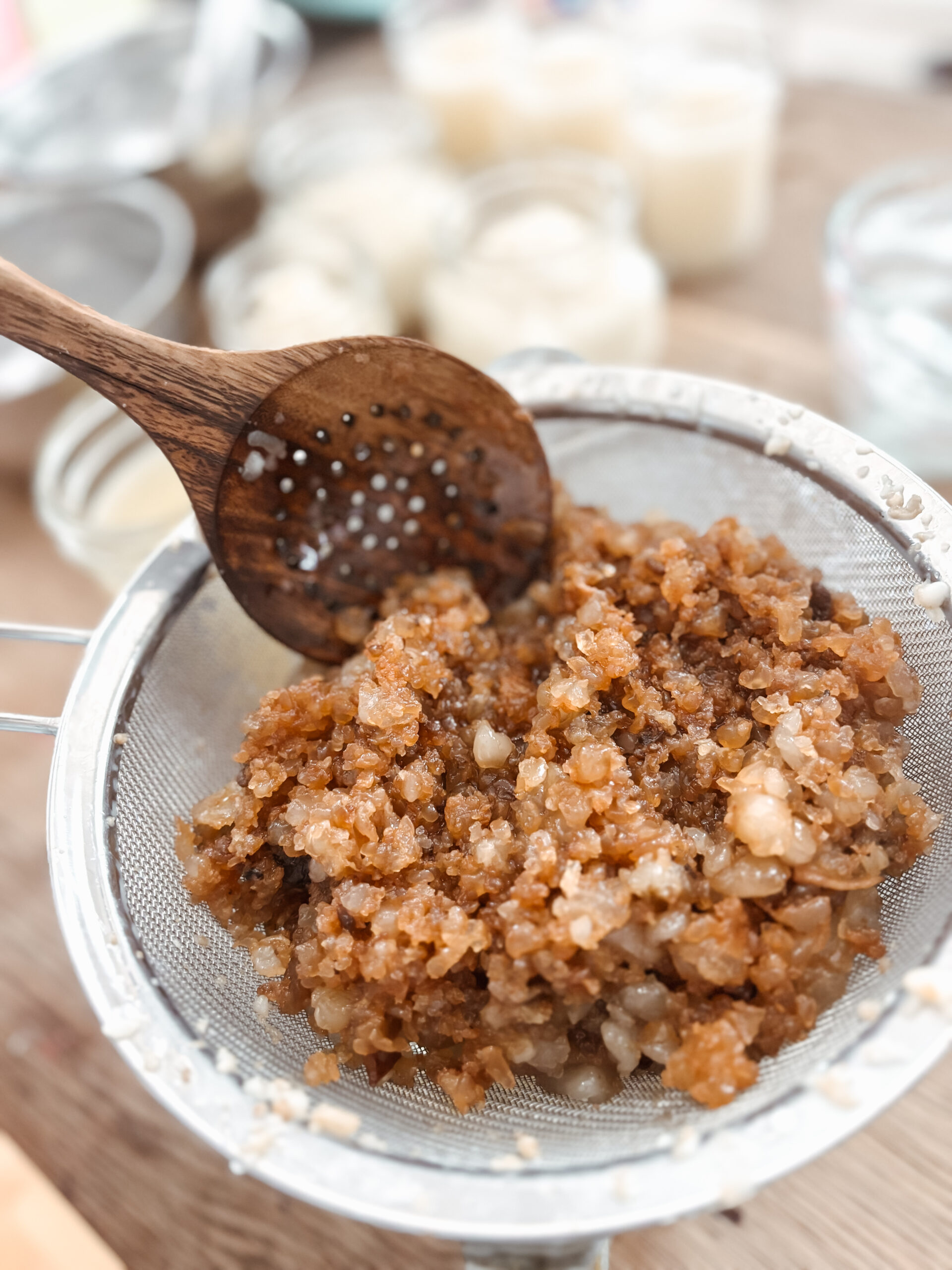
Often, I like to strain the beef tallow and then add the chunks back to the large pot on the stove for further processing. I continue to process again to ensure there is no waste. Notice in the photo below, more fat had been rendered from what was strained in the photo above.
Storing the Tallow
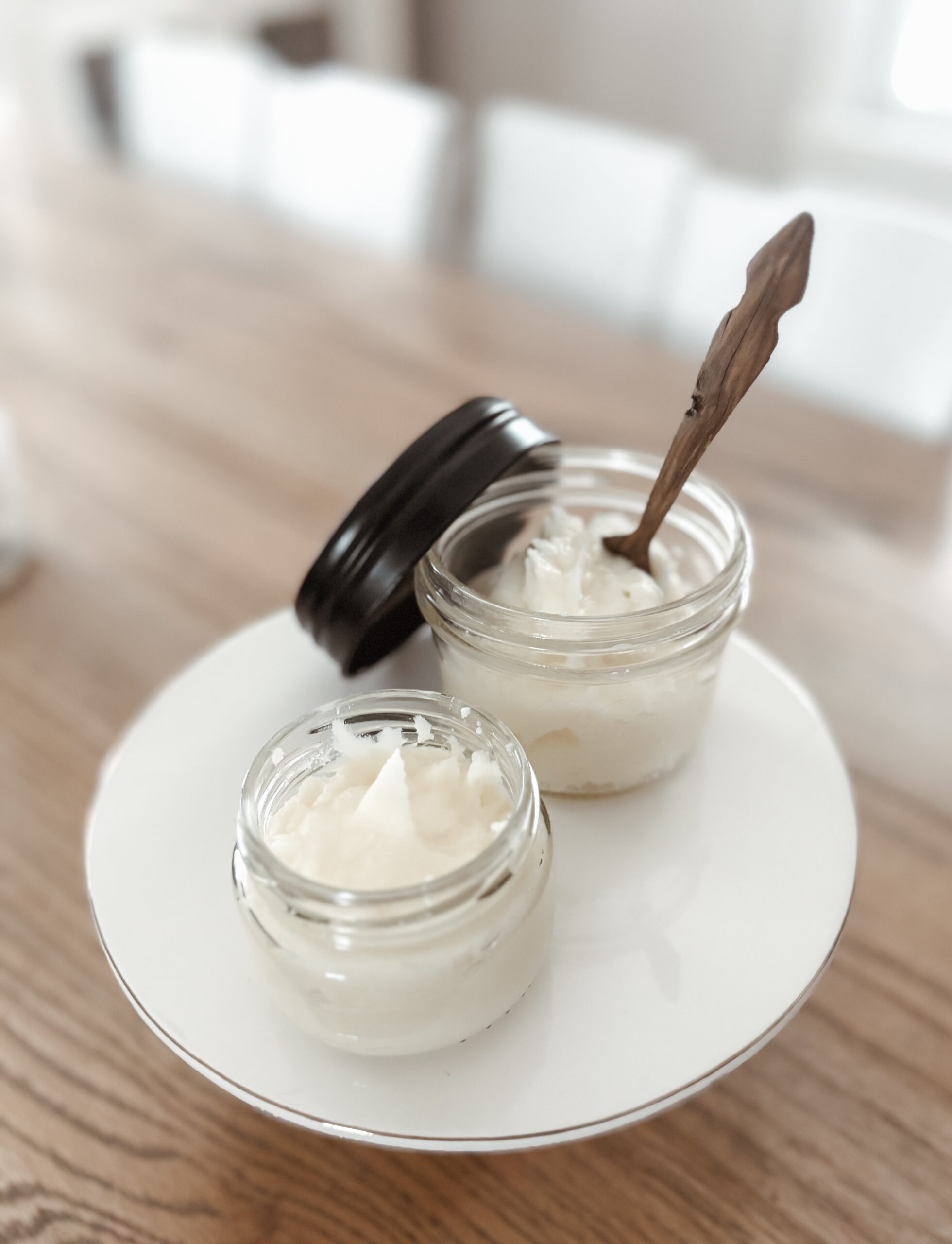
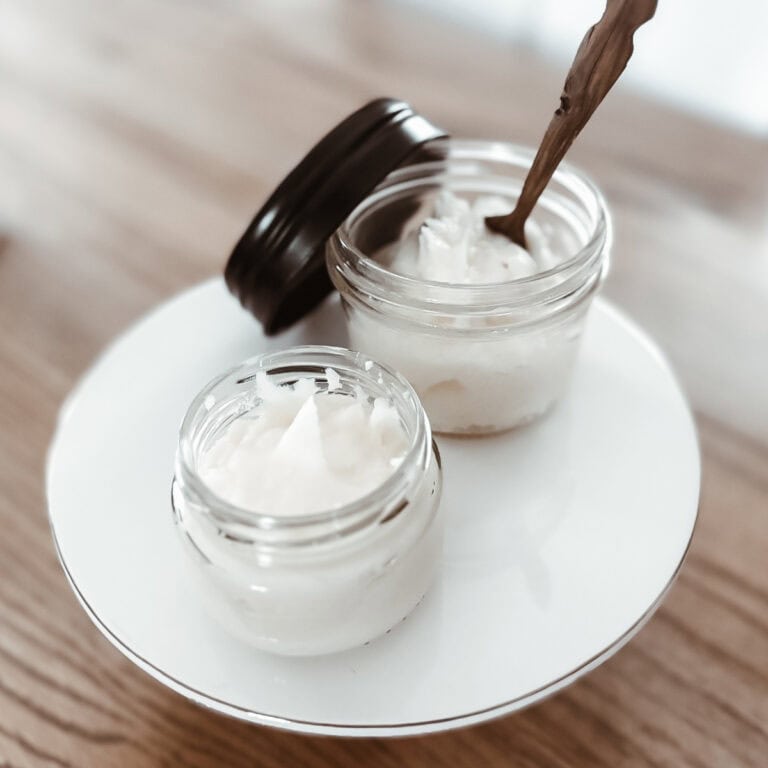
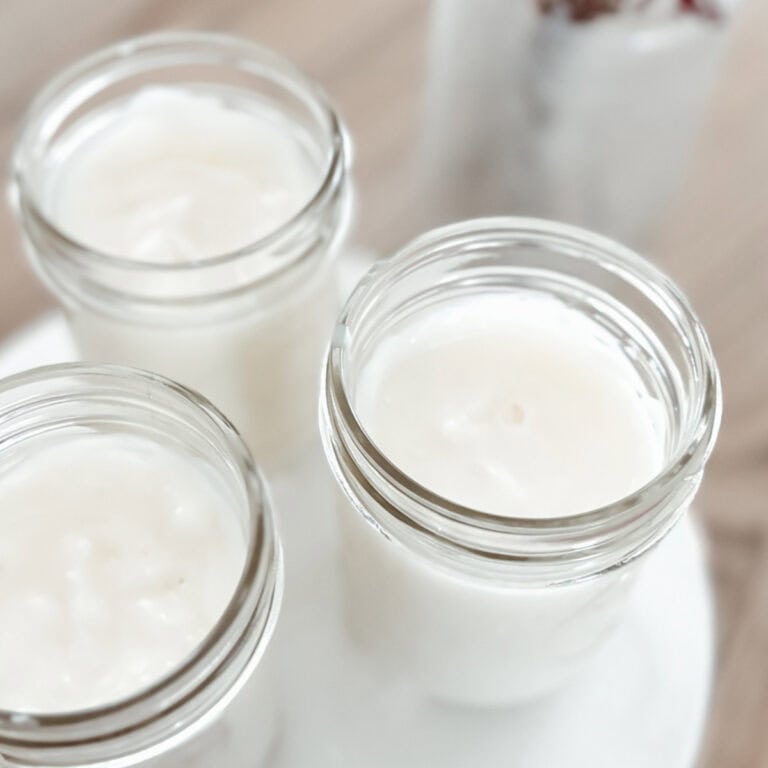
Pour the strained grass-fed beef tallow from the large bowl into mason jars. Mason jars are perfect for storage (or another glass jar with lid).
Allow the tallow to cool at room temperature until it reaches a solid consistency. Once the final product is a solid consistency, store it in the refrigerator for a longer shelf life.
Note that tallow can be stored right on the counter at room temperature for up to two weeks, typically. For longer keeping, tallow can be frozen and will keep for up to a year in the freezer.
I do recommend portioning down the tallow into an ice cube tray or souper cubes prior to freezing. Once frozen vacuum seal.
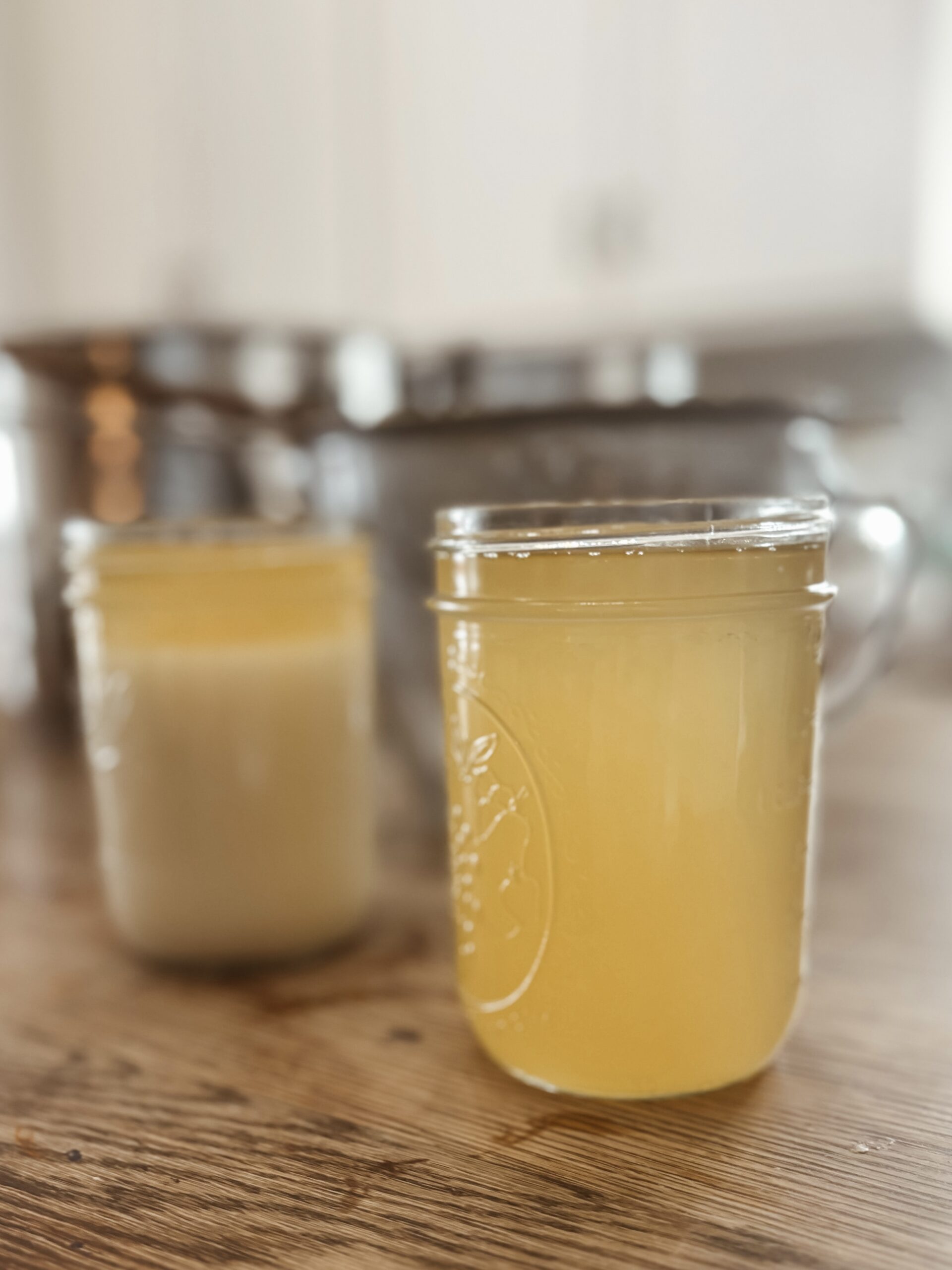
Tallow can be used once it has cooled slightly to make candles, creams, ointments, etc. Check out my homemade candle guide for beginners here!
To make your own ointments and creams or lotions, check out my super simple how-to guide here! Or learn to make chapstick or baby bum diaper rash cream.
FAQ
5 pounds of suet will take about 6 hours to render, but less suet takes less time.
Yes! Tallow is great for frying, cooking, and baking. It is a great seed oil and vegetable oil substitute.
Save this pin for later!
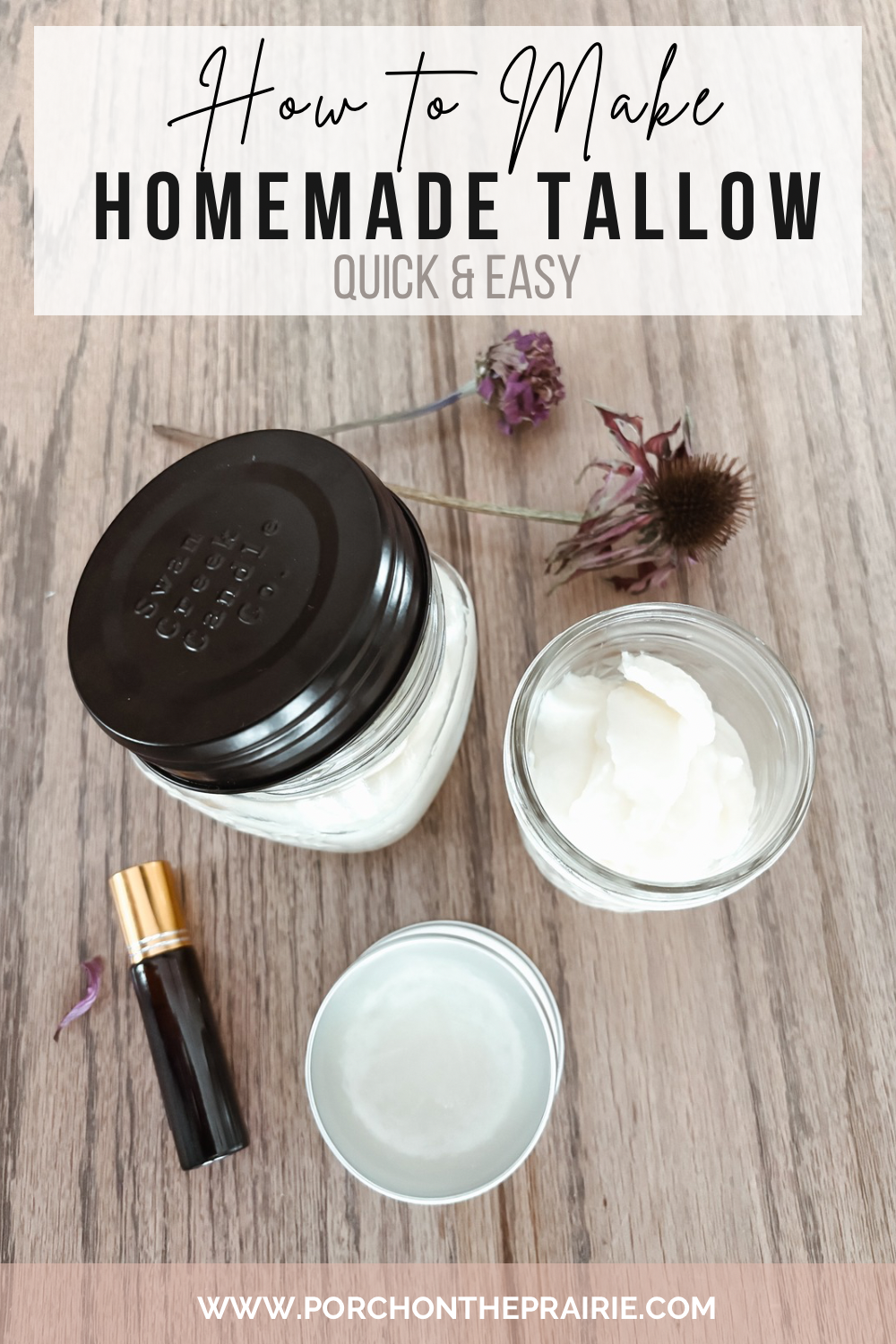

How to Render Beef Suet to Make Tallow (step-by-step)
Equipment
- Beef Suet (in any increment) (I used 6lb in the images featured in this post for reference)
- A large pot (or crock pot)
- Colander
- Large Bowl
- Wide Mouth Mason Jars
Materials
- Cheesecloth
Instructions
- Prepare the Suet
- First, if the beef suet is stored frozen, be sure the beef suet is thawed completely in the refrigerator.
- Next, cut the suet into small pieces (about 1/2 inch) or use a food processor or meat grinder to grind down the fat pieces.
- Once the suet is cut down into small pieces, place it in a large pot on the stove top. Slowly heat the suet pieces on low or medium/low. A very low heat is all that is necessary to melt the liquid fat, too high of heat will scorch the tallow to the bottom of the pot. This can also be done in a slow cooker or crockpot on the low setting.
- Strain the Product
- Once the beef suet has been cooked down there will be browned bits of meat that rise to the top of the liquid fat. Using a fine mesh strainer, colander, or cheese cloth over a large bowl, slowly and carefully pour the melted components into the straining mechanism.
Notes




I read the article and you do not talk about how long it has to cook. no one talks about the length of time you cook the suet and how often to stir it. what is missing? as a beginner, i need to know how much time to allot to this endeavor.
Great feedback! I plan to render more this weekend and will update the time information.
Great info! Thanks 🙂
Thanks for the step by step how to! I really want to try making my own tallow at some point.
I’ve been wanting to do this to make tallow balm and soap! Thank you! 🙂
Our family annually buys a whole cow. I had bags of suet that I cooked down, but then never did anything with it. I regret that now. Saving this for next time we buy a whole cow!